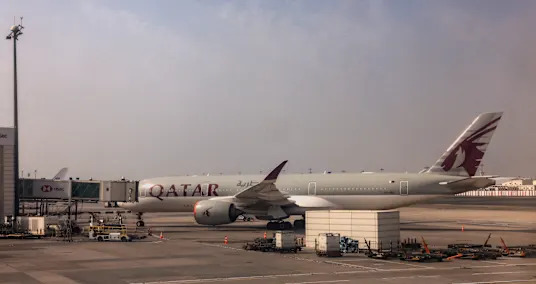
The Iran war is reshaping international aviation, with Gulf carriers forced to cancel tens of thousands of flights while rivals from Europe and Asia pick up some of the slack.
Around 1.7 million weekly seats have been removed from the region’s airline schedules so far, equal to around a third of prewar capacity, according to industry analysts OAG.
Saudi-based airlines are operating near-normal schedules, but the larger carriers in Qatar and the UAE are not. Qatar Airways is seeking lower aircraft rental payments as a way to reduce costs, Bloomberg reported. Airlines from other regions, including British Airways, Germany’s Lufthansa, and Hong Kong-based Cathay Pacific have cut back on services to the Gulf or pulled out entirely. At the same time, some have increased capacity on direct Asia-Europe routes that bypass the Gulf, although it is hard to make significant additions quickly, and at affordable prices for passengers.

LATEST POSTS
- 1
 Former defense minister Gallant vacated home over security threat under Shin Bet direction
 - 2EPA watchdog finds nation’s most contaminated sites are vulnerable to flooding, wildfires
- 3Step by step instructions to Pick an Incineration Urn: Variables to Consider
- 4A coup too far: Why Benin's rebel soldiers failed where others in the region succeeded
- 5The most effective method to Promoter for Cutthroat Medical attendant Compensations in Your Medical services Office





- Artemis II shares new lunar images while more than halfway to the moon
- 7 Fast Approaches to Let loose Space on Your Telephone in a flash
- No injuries after blast at pro-Israel centre in the Netherlands
- New movies to watch this weekend: See 'We Bury the Dead' in theaters, rent 'Wicked: For Good,' stream 'The Unbreakable Boy' on Starz
- Must-Have Cooking Machine in Your Kitchen
- Baby takes 1st steps after receiving groundbreaking gene-edited therapy
- Radiated Tortoise Faces Rapid Decline in Madagascar
- Book excerpt: "Eat Your Ice Cream" by Ezekiel J. Emanuel, M.D.
- These HGTV stars made a pledge to keep their kids off smartphones. Here's how it's going.