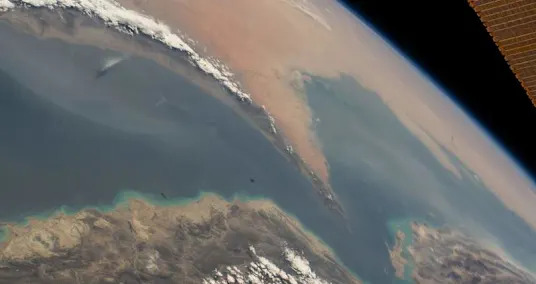
A massive dust storm, or haboob, swept across the Sahara Desert from western Algeria into Mauritania, Morocco, Western Sahara and the Canary Islands on March 30. The dust stretched for more than 1,000 miles.
As meteorologists observed the dust storm from space via weather satellites, social media users captured the incoming dust storm on camera. One video shows a thick wall of dust and sand moving toward a resident of the town of Tindouf, near the Mauritanian, Western Saharan and Moroccan borders.
How does the dust affect tropical storms in the Atlantic?
While this storm didn't make it too far off the coast, significant amounts of dust can drift westward from Africa across the Atlantic beginning in May. This can inhibit tropical storm formation, or the strengthening of an existing system, because the dusty air has about 50% less moisture than the typical tropical atmosphere.
Strong winds in the dust layer can also substantially increase the vertical wind shear in and around the storm environment, potentially disrupting any storm that forms.
LATEST POSTS
- 1
 Best Quest for new employment Site for You to Track down Amazing open doors
 - 2NASA will bring space station crew home early after medical issue
- 32024 Watch Gathering: The Best Watches of the Year
- 45 Side interests That Work on Psychological wellness
- 5Vote In favor of Your Favored Kind Of Organic product


- Climbing Mount Everest: An Individual Victory
- Opening Innovativeness: Moving Thoughts and Tasks
- ONE returns to Red Sea with new service
- Find the Insider facts of Viable Advertising: Building a Positive Brand Picture
- Innovative Versatility: Examples of overcoming adversity from Entrepreneurs
- Russia earning billions from Hormuz blockade, German trade body says
- Instructions to Pick the Right Toothbrush for Your Teeth
- Hitting the brakes: Hubble Space Telescope watches doomed comet reverse its spin
- 5 Great Youngster Care Administrations To Watch in 2024