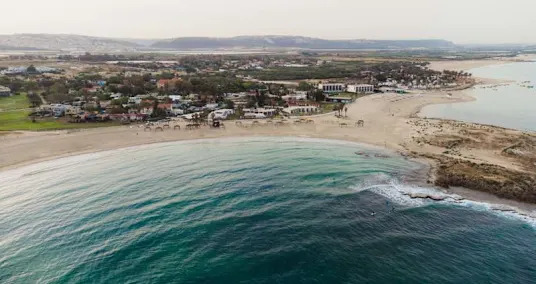
The discovery was made in an ancient shipwreck in the Dor Lagoon near the Carmel Coast, where archaeologists recovered nine pieces of unprocessed iron known as “blooms.”
Researchers from the University of Haifa said Wednesday that an underwater excavation off Israel’s northern Mediterranean coast uncovered what they described as the earliest known cargo of raw iron transported by ship, dating back around 2,600 years, Xinhua reported.
The discovery was made in an ancient shipwreck in the Dor Lagoon near the Carmel Coast, where archaeologists recovered nine pieces of unprocessed iron known as “blooms.” According to the university, the find provides direct evidence of how iron was transported in its earliest commercial stages.
The material was preserved in its original form, having solidified directly in a smelting furnace without undergoing forging or further refinement. Researchers said this distinguishes the cargo from later iron artifacts that typically show signs of shaping or tool-making.
Unlike copper and bronze, which could be melted into liquid form in ancient production processes, iron was heated with charcoal to produce a solid, porous mass. That mass was generally hammered to remove impurities and create denser material suitable for tools and implements.
The recovered blooms showed no indication of that secondary processing stage, suggesting they were transported immediately after production.

Earliest iron shipment discovered in ancient Mediterranean wreck
To determine the age and condition of the cargo, researchers conducted microscopic and chemical analyses.
Radiocarbon dating was also carried out on charred wood embedded in one of the pieces, helping confirm the timeline of the shipment. The findings were published in the journal Heritage Science.
Researchers said the cargo indicates that iron was being moved in raw form from production sites to other locations for further processing, pointing to a level of specialization in ancient manufacturing and trade networks in the Mediterranean.
The University of Haifa said the discovery provides new insight into early iron production and distribution practices in the region.
LATEST POSTS
- 1
 Addiction-stricken community struggles to keep a syringe program going after Trump's order
 - 2The Best 20 Photography Instagram Records to Follow
- 3One of the best meteor showers of the year peaks at the worst possible time this week
- 4Beating Wellbeing Difficulties: Individual Victories in Health
- 5McDonald's is bringing two 'KPop Demon Hunters' meals to McDonald's. Here's what they include and when they launch.





- Explainer-Why are hepatitis B vaccines given to newborns?
- Ukrainian man arrested in Germany on suspicion of spying for Russia
- Russian military plane crashes in annexed Crimea, killing 29 people on board
- US students studying housing, health outcomes and sustainability win 2026 Rhodes scholarships
- Telecommute Arrangement: What's Pivotal for Your Efficiency?
- Display of Netanyahu's severed head 'incites public to murder PM', Likud says in official complaint
- Which European palace do you fantasy about visiting? Vote!
- Court clears Beersheba assault suspect of link to Haymanut Kasau disappearance, extends detention
- Exploring the Mind boggling Universe of Connections: Individual Bits of knowledge